Azimut Fly Series
AZIMUT FLY SERIES
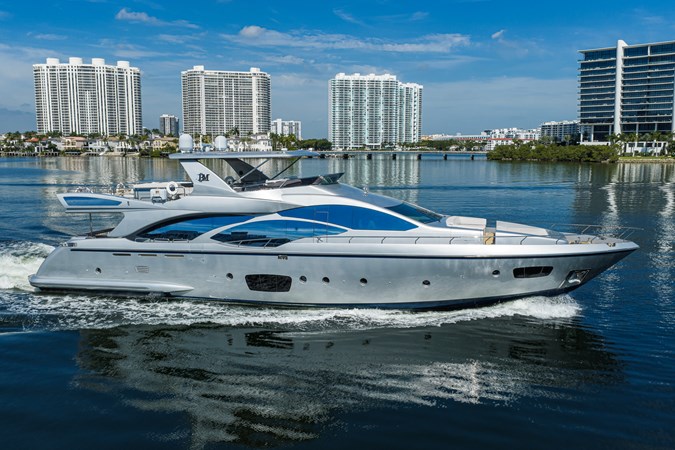
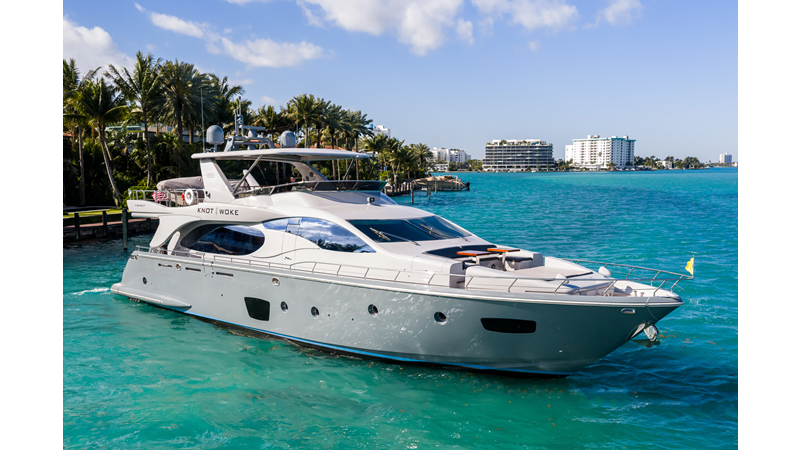
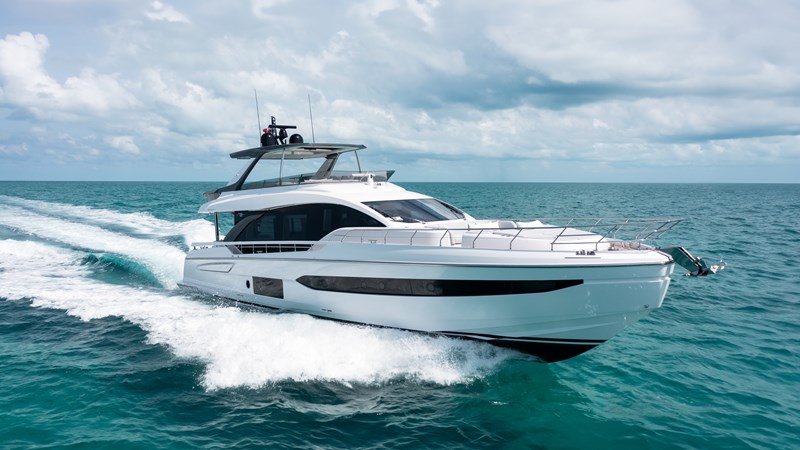
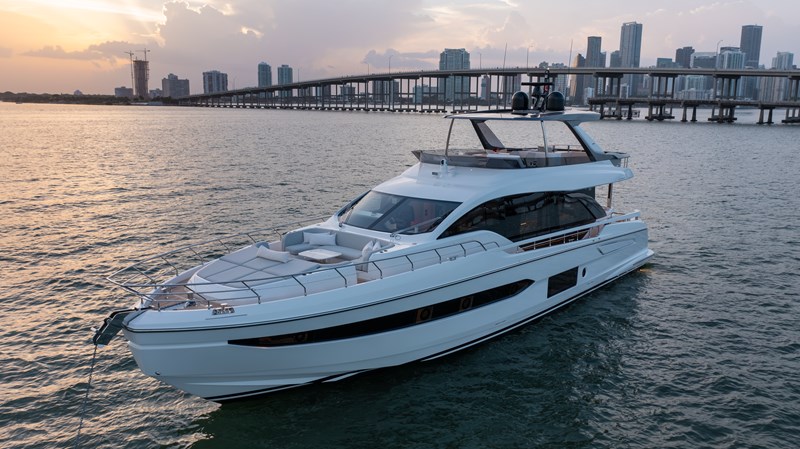
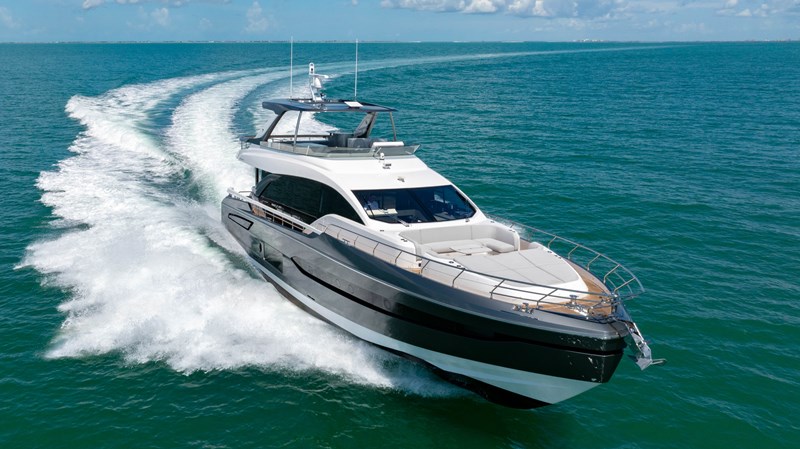
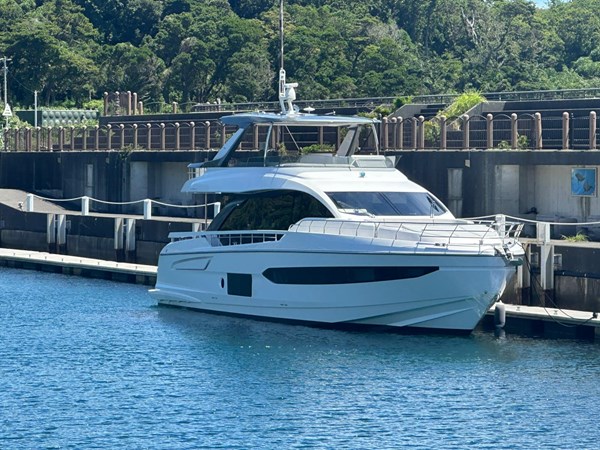
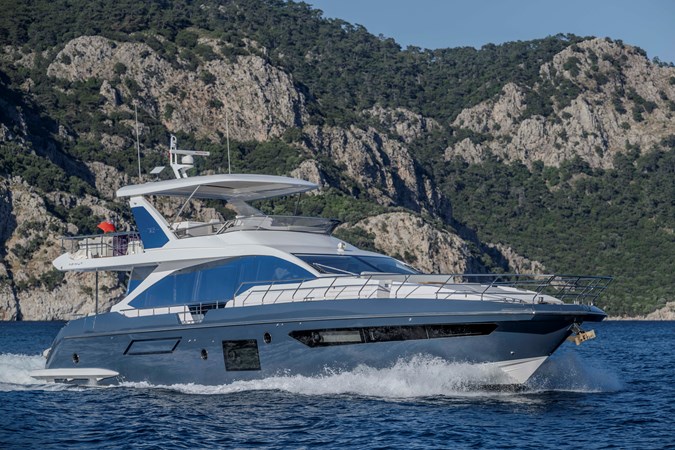
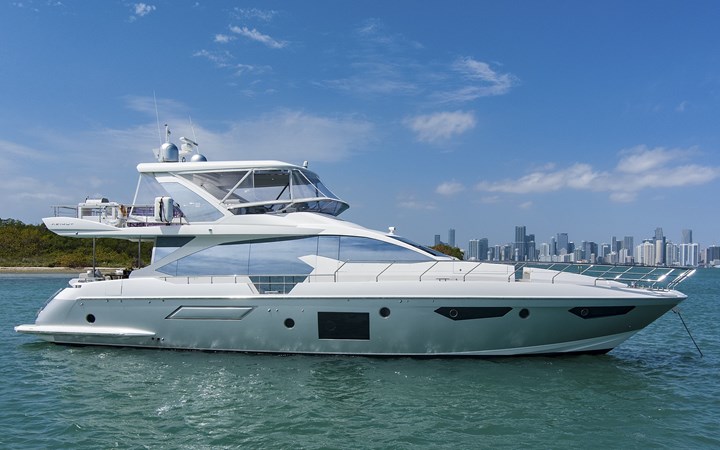
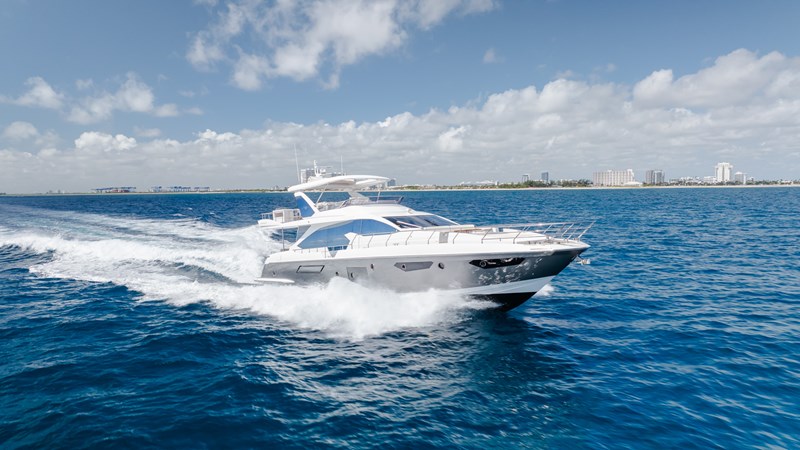
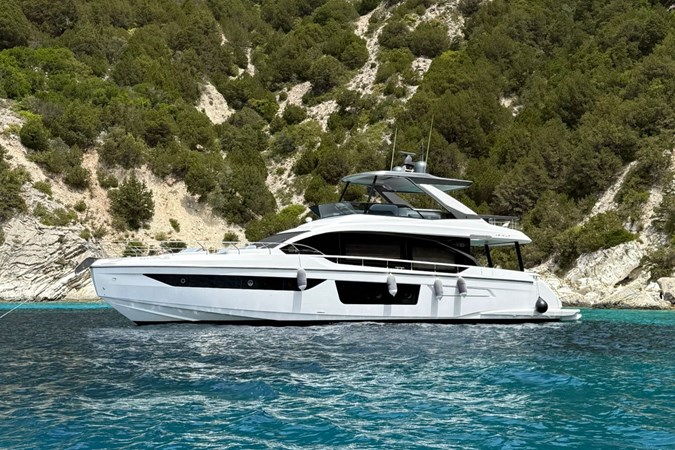
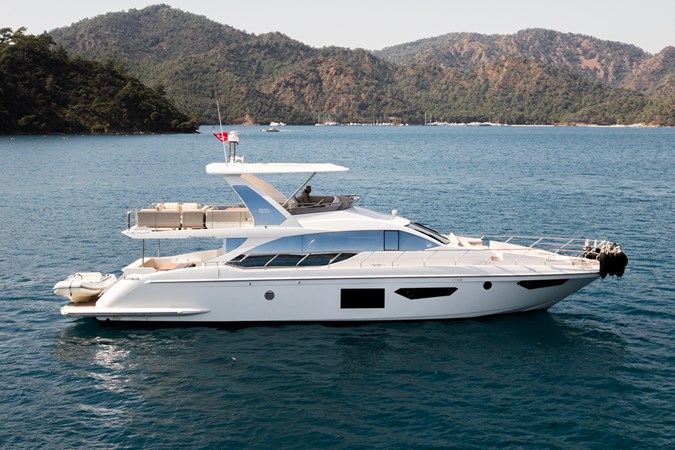
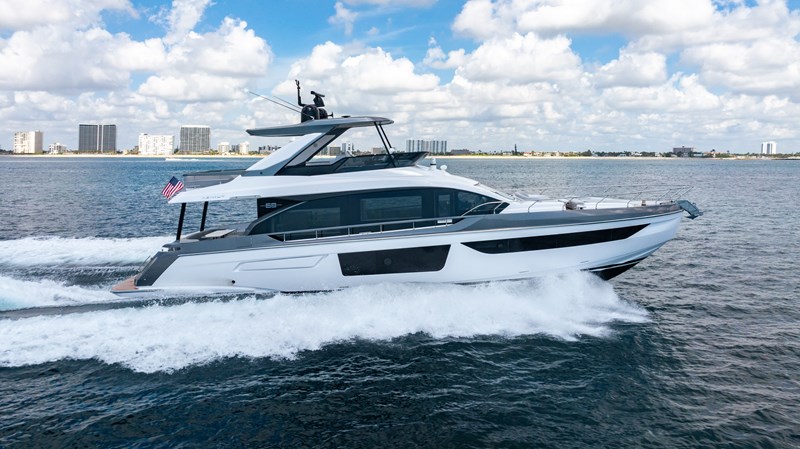
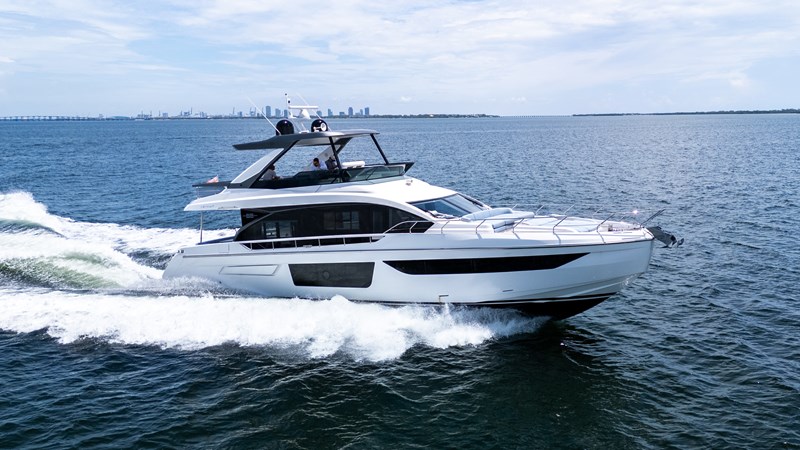
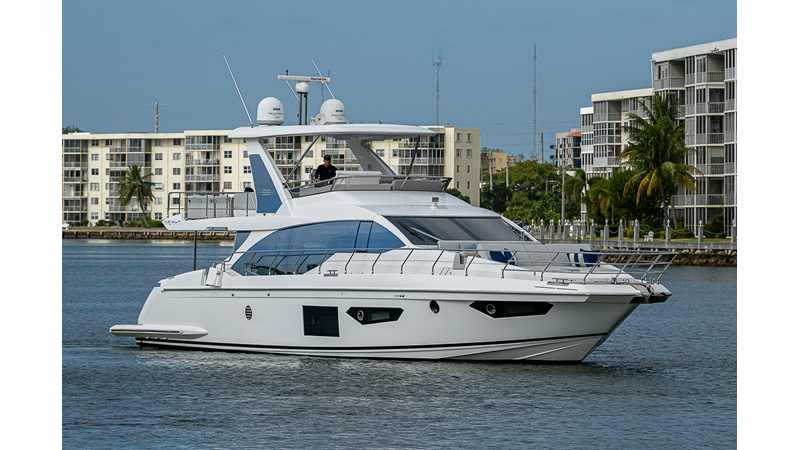
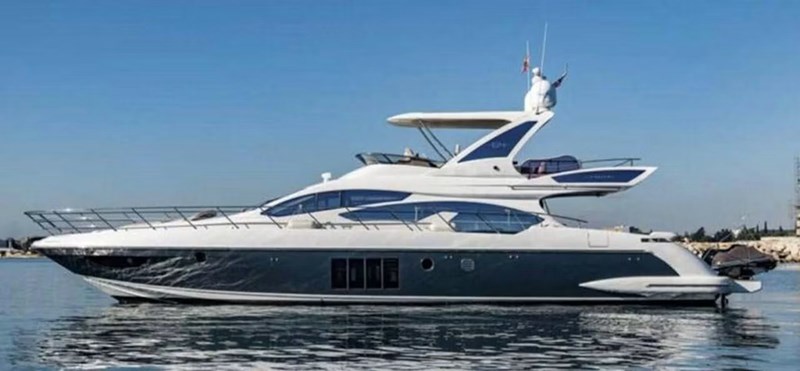
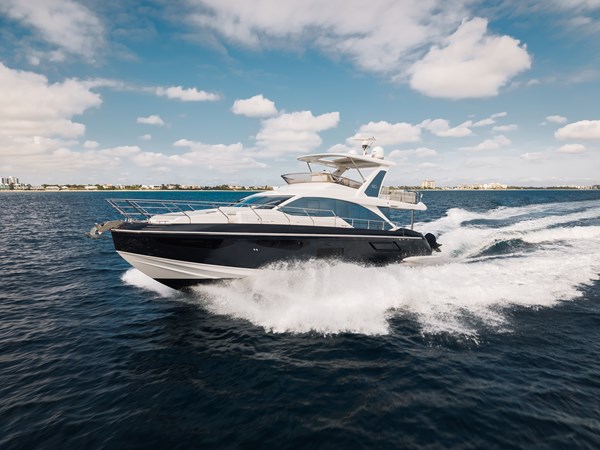
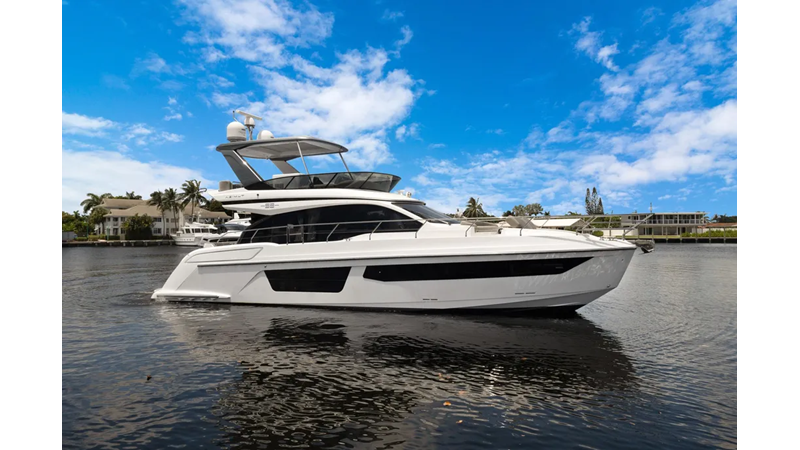
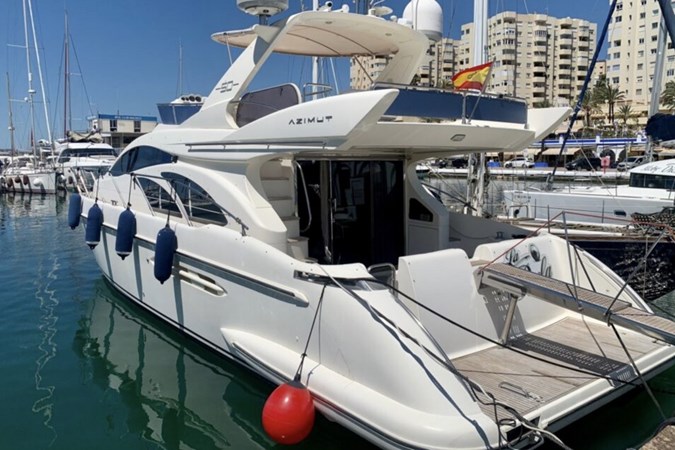
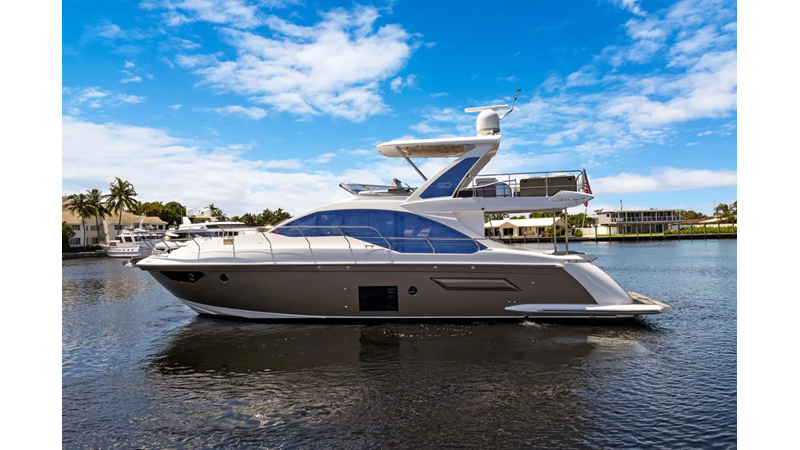
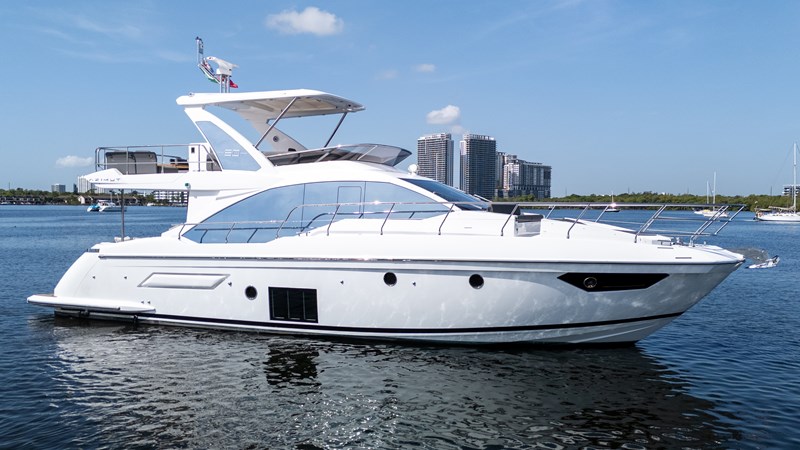
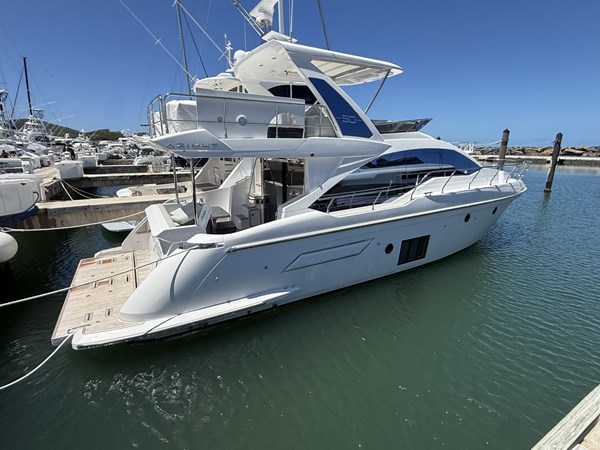
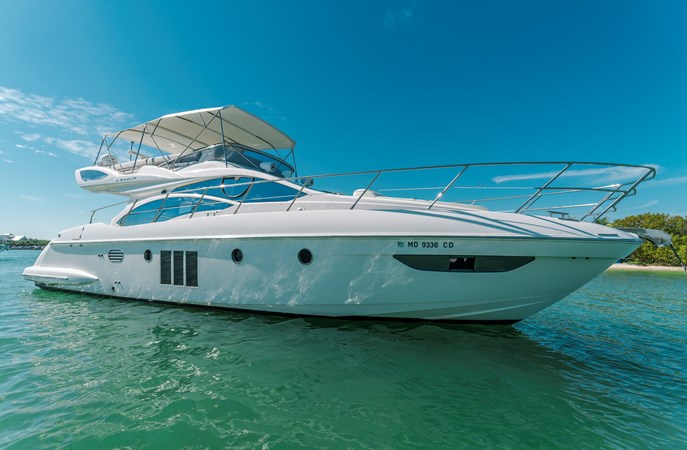
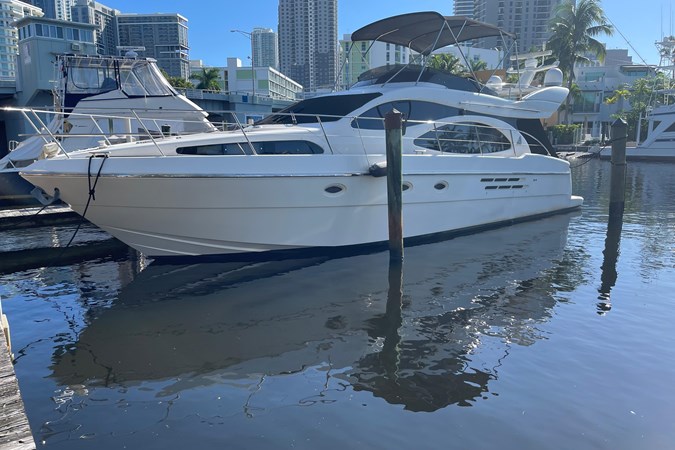
The Fly series from Italian shipyard Azimut is the yard’s complete offering of flybridge motor yachts. With early popular models including the 62 and 64 Fly (discontinued), the series has evolved to include seven models. The current generation of Azimut Fly yachts started with the 72 Fly, the shipyard’s first carbon-tech generation design. Recent models feature exterior designs by Alberto Mancini and interiors by Fabio Fantolino, while previous models featured exterior styling by Stefano Righini and Achille Salvagni Architetti. The Fly Series showcases expansive panoramic glazing, sculpted hull lines, and signature elevated flybridge spaces, featuring extensive carbon fibre construction on models like the FLY 60 and Fly 68, reducing superstructure weight by up to 30 percent whilst maintaining structural integrity.
The current Fly lineup spans seven models measuring 16.78 to 24.79 metres, offering exceptional versatility for owners. Main deck arrangements feature open-plan salons with forward or midships galley configurations, while exterior spaces maintain a natural indoor-outdoor flow through sliding glass doors and protected cockpit lounges with C-shaped seating, retractable tables, and integrated minibar sections. The Fly 82 flagship model introduces the revolutionary Deck2Deck system, an opening transom that aligns with the main deck aft edge, transforming cockpit terraces into expansive waterside social zones. Flybridge configurations provide multiple entertaining areas, including sunbathing zones with adjustable backrests, forward helm stations with integrated Raymarine touchscreen systems, dining tables, and full outdoor galleys beneath carbon fibre hardtops with retractable sunroofs. Lower deck layouts accommodate three to four ensuite staterooms, including full-beam owner’s suites positioned amidships with separate dressing areas, whilst crew quarters occupy aft or forward positions. Engine systems include Volvo Penta IPS propulsion systems delivering joystick manoeuvrability alongside traditional shaft-drive configurations with MAN engines, achieving cruising speeds between 26 and 32 knots with top speeds reaching 33 knots.